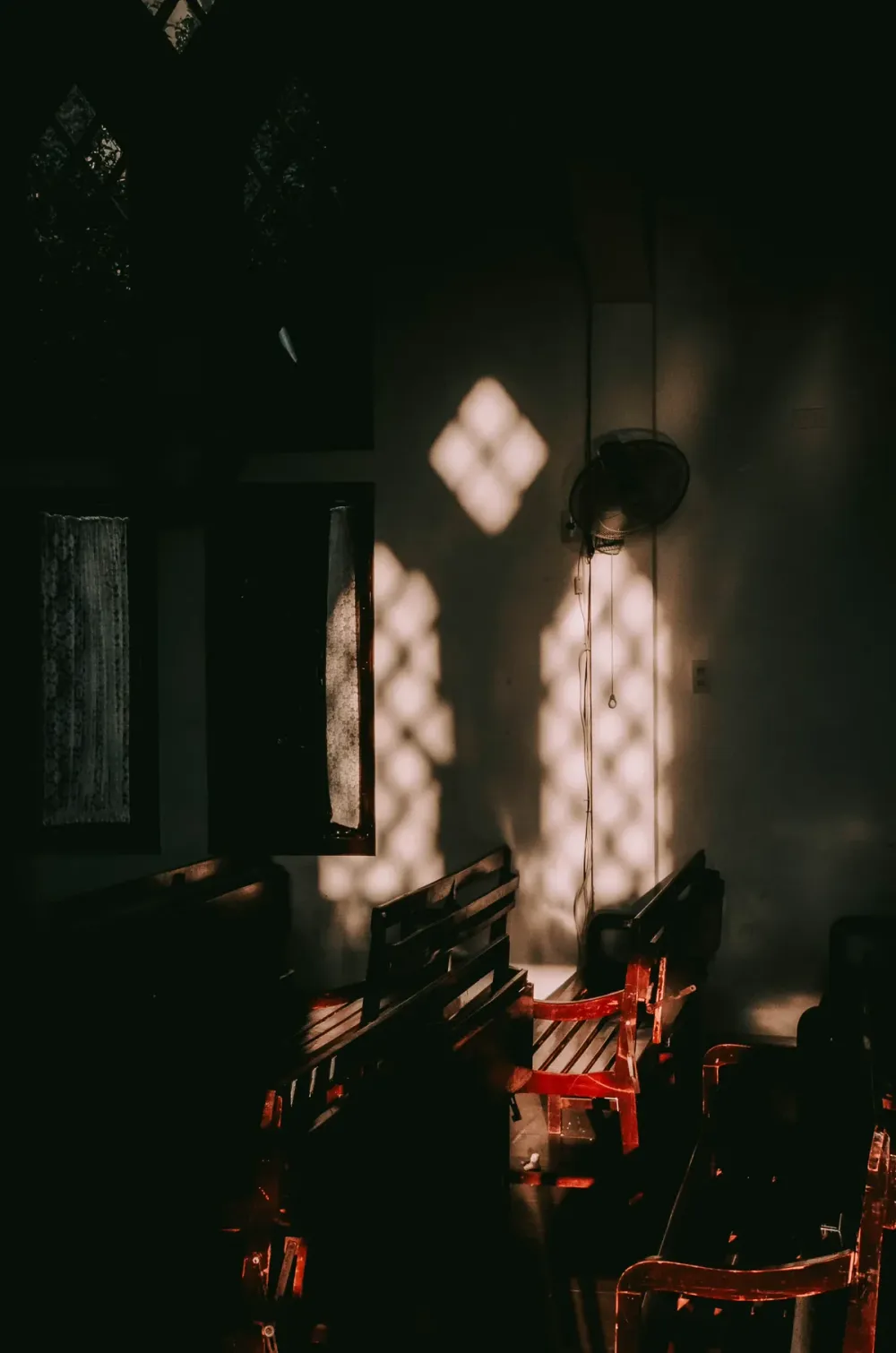
A Wong Kar-Wai photo isn't a filter — it's a recipe. Three ingredients stacked, baked into how Christopher Doyle (and later Mark Lee Ping Bing) graded every frame of In the Mood for Love, Chungking Express, Happy Together, 2046. Apply the same three ingredients to any phone photo and the brain reads cinema before it reads camera.
What “Wong Kar-Wai” means in photos
Wong Kar-Wai is shorthand for a specific 1990s-2000s Hong Kong cinema look: warm color saturation pushed to evoke memory, slow motion fragments, anamorphic letterbox, and an emotional density you usually only see in dreams. The photography is the entire argument of the films.
Ingredient 1: warm red color grade
Christopher Doyle pushed reds and oranges intentionally. The choice wasn't about correcting daylight — it was about making memory feel embodied. Warm color reads as longing in a way cool color never does.
The grade isn't blanket orange. It's reds with magenta accents in highlights, slight desaturation in shadows, and a bloom that softens harsh light into longing.
Ingredient 2: 2.35:1 letterbox crop
The anamorphic ratio is half of why Wong Kar-Wai films read as cinema. Black bars at top and bottom signal “movie still.” The wider ratio also forces composition — there's less room to crop in tight, so subjects sit in space, which is Wong Kar-Wai's entire emotional vocabulary.
Letterbox alone (without color grading) gets you halfway. The ratio reframes the photo as cinema.
Ingredient 3: soft bloom and contrast
Highlights soften — they don't clip to pure white. Shadows hold detail — they don't crush to pure black. The result is a compressed dynamic range that reads as filmic rather than digital, and feels emotionally present rather than documentary.
Why this aesthetic became Pinterest catnip
Wong Kar-Wai photos consistently outperform on Pinterest because the visual language signals taste, mood, and identity all at once. Saving an In the Mood for Love-style photo says: I watch cinema, I notice color, I feel things. Three signals in one pin.
That's why the look has stayed dominant on aesthetic-focused platforms for almost a decade.
The shortcut
Stacking these three ingredients manually requires a color grading workflow most phone editors don't support. PixMojo's Wong Kar-Wai tool bakes all three into one preset and four director choices (In the Mood, Chungking, Happy Together, 2046). Browser only, takes about a minute.