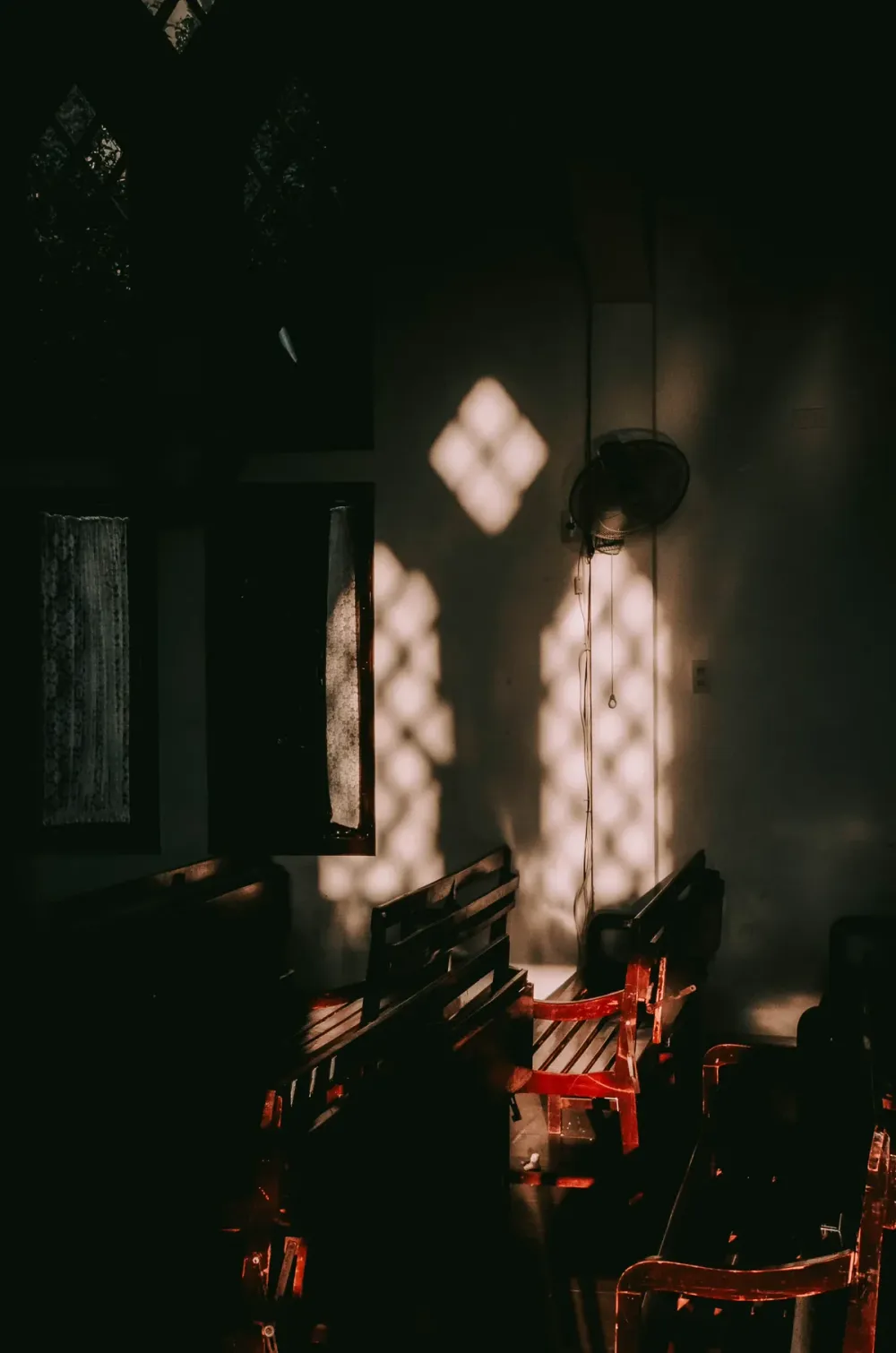
Search Pinterest for “vintage Porsche,” “911 classic,” or even “vintage cars” and the same visual language keeps showing up. Warm leather tones, brass highlight glow, deep shadows, fine period grain. The photography style has barely changed since the 1970s — and it's still the dominant aesthetic for vintage car content. Here's why it works.
The four ingredients of heritage racing photography
1. Warm leather color cast
Brown-orange interior tones. The cast mimics actual leather seats, wood dashboards, brass details. The warmth is emotional — it reads as memory, not documentary.
2. Brass dial glow
A soft right-side highlight, mimicking gauge cluster lighting. The glow is what makes vintage car interiors feel like a control room rather than a seat. Even applied to non- car photos, the brass highlight adds period feel.
3. Deep shadows for cinema mood
Shadows fall hard. The image becomes cinematic instead of documentary. Combined with the warm cast, the result feels like a still from a Steve McQueen film.
4. Period fine grain
Subtle grain texture reads as vintage magazine — 1970s Road & Track, Automobile Quarterly. The grain isn't loud; it just removes the digital cleanliness.
Why this aesthetic outlasts every trend
Car photography goes through phases — high-contrast 2010s, bright Apple-ad 2020s, etc. — but vintage racing photography keeps winning Pinterest. The combination of mechanical precision and warm nostalgia is genuinely hard to fake. It signals both knowledge (you appreciate the era) and taste (you appreciate the photography).
What to apply this to
Beyond cars: vintage clothing, leather goods, vintage watches, autumn landscapes, any photo with leather, brass, or wood as a visible subject. The grade transfers because the palette is what carries the meaning.
The shortcut
PixMojo's Porsche Heritage tool offers four model presets — 911 Classic, Targa Yellow, Turbo Red, Heritage Cream. Each tuned to a different period mood. Browser only.