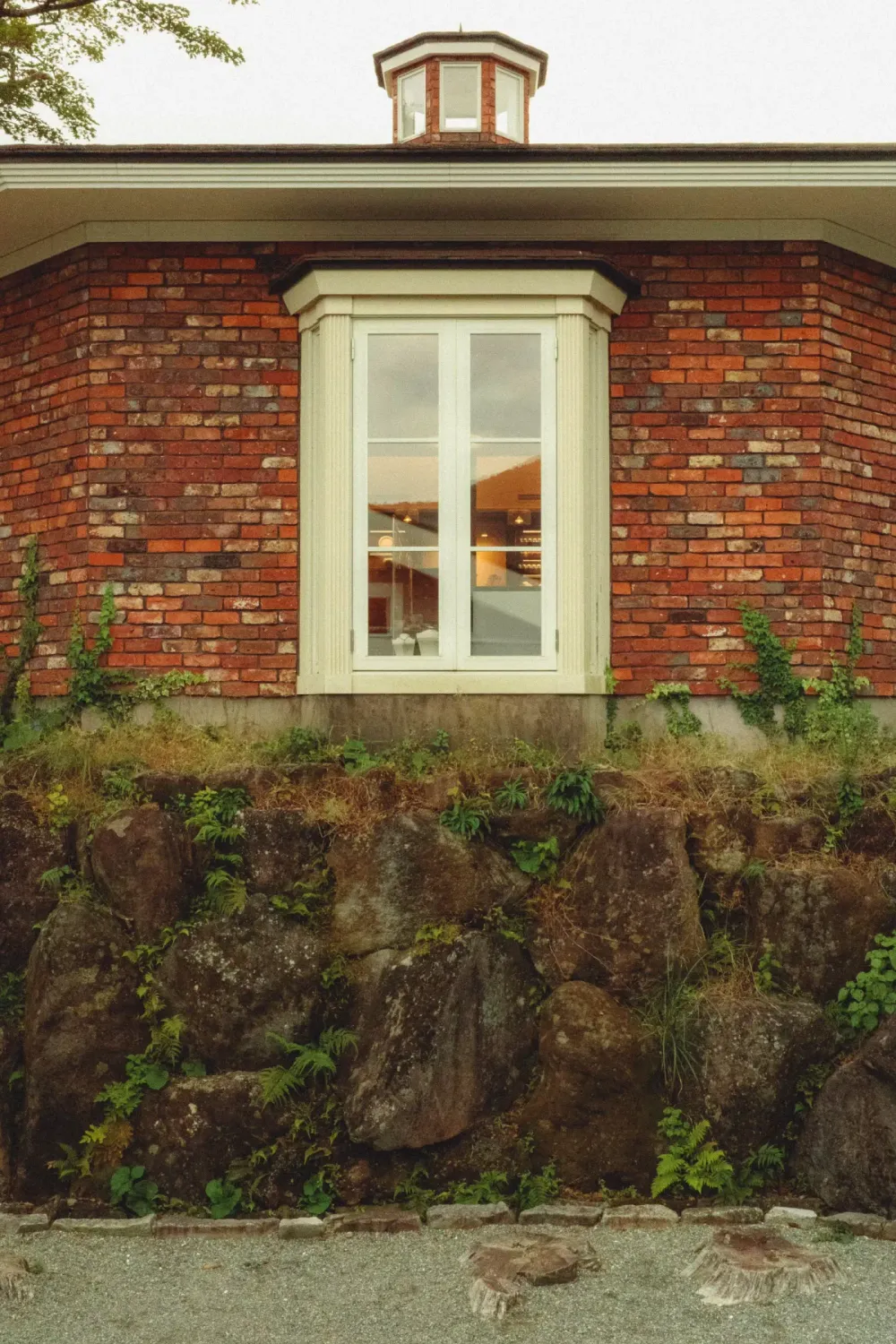
Scroll through the top cafe photos on Instagram or Pinterest. Ignore the subject for a second. The color grade is nearly identical every time: warm cream mid-tones, considered shadows, soft ambient light. This isn't coincidence — it's a shared aesthetic recipe that photographers converged on. Here's exactly what it is.
Why cafes photograph so consistently
Cafes are lit by two things: warm tungsten pendants and softly overexposed windows. That combination — warm ambient + directional highlight — is the exact lighting cinematographers pay to build on set. A well-photographed cafe is halfway to a film still before any editing.
The recipe below leans into what's already there. It doesn't fight the light.
The three ingredients
1. Warm cream color cast
Push warmth toward pink-cream, not orange. Around #fff5e0 multiplied at 15-25% strength. This warms up the interior without making everything look sepia. Sepia = 90s scrapbook. Cream = 2026 cafe.
2. Slightly compressed shadows
Real cafes have deep shadows behind seating, under counters, in corners. Lift the very darkest shadows a touch so they hold detail but keep the general ambience dim. This is the trick that separates “dark photo” from “ambient photo.”
3. Directional window highlight
Add a subtle bright gradient from one side (imitating natural window light). This is what makes a cafe photo feel like a photograph rather than a scan of a menu. Left-side window works for tables shot from the right; right-side for the reverse.
Best PixMojo Pack to use
Premium Mojo → Cashmere Warmth preset. That grade was designed to replicate exactly this warm-ambient-cafe school. Deep warm tones, dim ambient light, subtle grain. One tap, done.
Alternative: Clean Mojo → Cream Catalog preset if you want a brighter, more MUJI-store feel with more window light.
Composition tips (bonus)
- Shoot at counter level, not eye level. Cafe photos look more editorial when the camera is at the height of the drink.
- Include one negative-space area. A corner of the table, empty part of the counter. The eye needs somewhere to rest.
- Human hand in frame is powerful. A hand holding a cup, reaching for pastry, opening a book. Signals moment, not product.
Why this recipe travels
The warm-ambient grade isn't just for cafes. It works for:
- Restaurant interiors (same lighting logic)
- Bookstores
- Vintage clothing stores
- Hotel lobbies
- Any interior with mixed warm tungsten + natural window light
Learn this one recipe and half your indoor photo situations are solved.